
Where Should a French Drain Be Installed Around a Home?
Water in the wrong place can cause big problems for your home. Soggy lawns, wet basements, and cracked foundations often trace back to poor drainage. A French drain is one of the most reliable yard drainage solutions available, but its success depends on getting the placement right. Knowing where to install a French drain helps you protect your property for years to come.
What Is a French Drain?
A French drain is a gravel-filled trench with a perforated pipe running through it. The pipe collects surface and underground water, then carries it away from your home to a safe outlet. Gravel around the pipe filters out debris and keeps the water moving freely.
The idea is simple and effective. The drain intercepts water before it can pool and cause damage. French drains are commonly used around foundations, patios, and low spots in the yard where water tends to gather.
Why Proper French Drain Placement Matters
The right French drain installation location makes all the difference. A drain placed in the wrong spot can move water from one trouble area to another or fail to catch the water at all. Good placement follows the natural slope of your property, directing water downhill to a safe discharge point.
Placement also protects your foundation, your landscaping, and your neighbors. Water needs somewhere to go, and it should never drain onto a neighbor’s yard or back toward your own home. A well-planned system keeps water flowing away from the areas that matter most.
Common Areas Where a French Drain Should Be Installed
Certain spots around a home benefit most from a French drain. Here are the areas we see repeatedly:
- Along the foundation perimeter. A French drain around the foundation is one of the most common and important placements. It stops water from seeping into your basement or crawl space, protecting the structure of your home.
- Low-lying yard areas. If part of your yard stays soggy after rain, a French drain can dry it out. This prevents soil erosion, root rot, and standing water that ruins your grass.
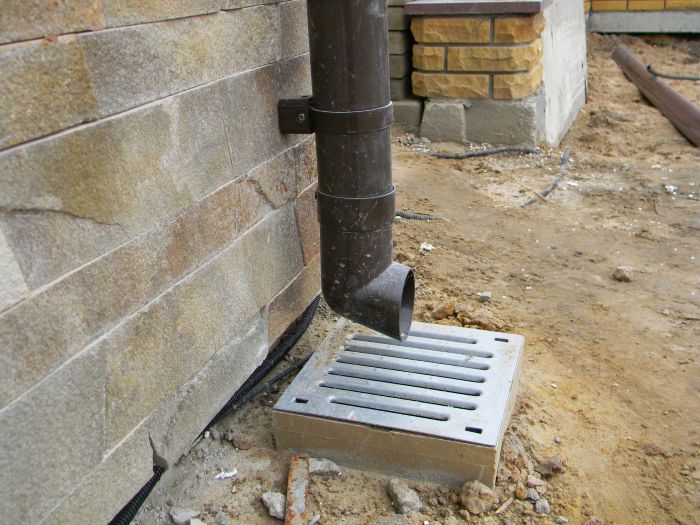
- Near downspouts. Downspouts dump large amounts of roof water in one spot. A French drain placed nearby moves that water away before it pools against your foundation.
- Sloped terrain. Homes on a slope deal with runoff that flows downhill fast. A drain placed across the slope intercepts this water and guides it safely away.
- Behind retaining walls. Walls can trap water and build up pressure. A French drain relieves that pressure and keeps the wall stable over time.
Interior vs. Exterior French Drains
There are two main types of French drains, and each serves a different purpose.
Exterior French drain placement happens outside your home, usually along the foundation. This type stops water before it reaches your basement walls. It works well for homes dealing with heavy runoff or poor yard drainage.
An interior French drain sits below the basement floor along the perimeter. It collects water that has already entered and channels it to a sump pump. This option is often the best fit for finished basements or homes where digging outside is difficult.
Both types work well when installed correctly. The right choice depends on your home, your soil, and the source of your water problem.
Benefits of Professional French Drain Installation
A French drain looks simple, but proper installation takes skill. The slope, depth, and outlet location all need careful planning. A small mistake can leave you with a drain that clogs or backs up.
Professionals bring the right tools and experience to the job. They locate underground utilities, calculate the correct slope, and choose a safe discharge point that complies with local requirements. The result is a drainage system that protects your home and lasts for years.
FAQ Section
Can a French Drain Prevent Basement Flooding?
Yes. A French drain around the foundation or inside the basement redirects water away from your walls and floor. This greatly reduces the risk of flooding, especially during heavy rain or snowmelt.
Is an Interior or Exterior French Drain Better?
Neither one is always better. An exterior drain stops water before it enters, while an interior drain manages water that has already gotten in. The best option depends on your home and the cause of the problem.
How Deep Should a French Drain Be Installed?
Most French drains sit about 18 inches deep, though the exact depth depends on your soil and the water source. Foundation drains often go deeper to protect the base of the home.
Why Choose Us
Budget Waterproofing brings 55 years of experience to every job. We hold an A+ rating with the Better Business Bureau of Maryland and are a proud member of the Maryland Home Improvement Commission (MHIC). We are fully licensed and insured, and much of our work comes from trusted referrals of satisfied customers.
Get Your Free Consultation Today
Do not let water damage your home. If you need French drain installation or any of our other services, the team at Budget Waterproofing is ready to help. Contact us today to schedule your consultation and protect your home with drainage solutions built to last.