
Cellar or Basement: Which Adds More Value to Your Home?
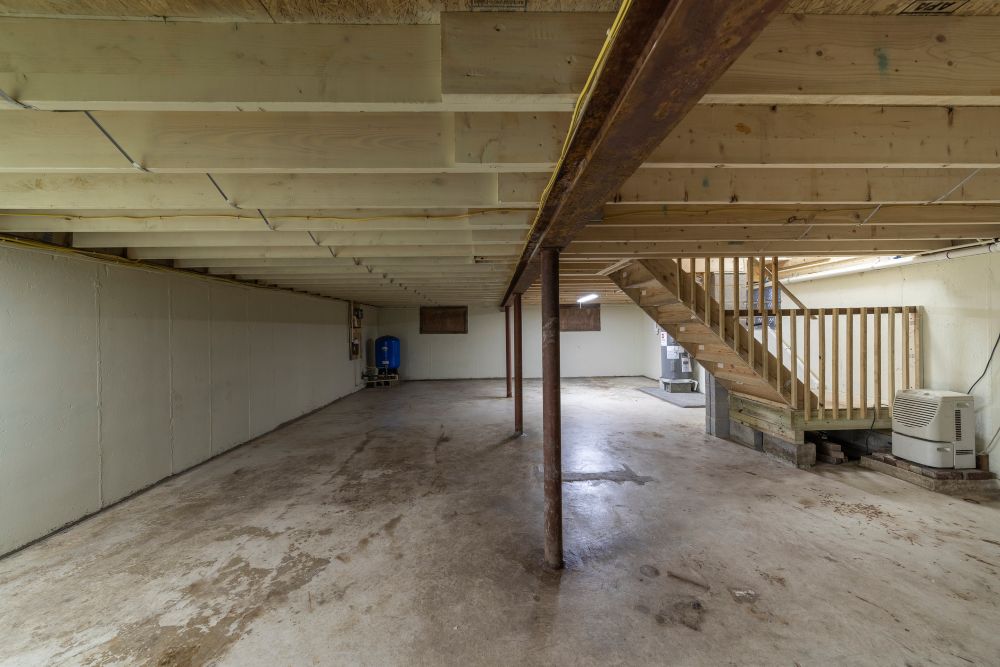
Deciding how to utilize the space beneath your home is a significant consideration for any homeowner looking to increase their property’s market appeal and functional square footage. While many people use the terms interchangeably, understanding the distinction between a cellar and a basement is crucial when calculating your potential return on investment (ROI). Whether you are looking to create a cozy family room or a specialized storage area, choosing the right subterranean structure can significantly impact your home’s appraisal and your daily quality of life. In this guide, we will explore the nuances of cellar vs. basement value to help you make an informed decision for your next renovation project.
What Is a Basement?
A basement is typically defined as a story of a building that is partly or wholly below ground level but designed with the intention of being a functional living space. Basements often feature higher ceilings, windows for natural light, and proper ventilation and insulation. Because they are integrated into the home’s heating and cooling systems, they serve as versatile areas suitable for bedrooms, home offices, or entertainment centers. From a real estate perspective, a finished basement is a primary driver for basement vs cellar home value because it contributes directly to the usable “living area” of the residence.
What Is a Cellar?
A cellar is primarily a functional space intended for storage rather than habitation. Traditionally, cellars are cooler, darker, and may have lower ceilings than a standard basement. They are often used to house HVAC equipment, water heaters, or specialized collections such as wine or root vegetables. While a cellar provides essential utility, it generally lacks the finished amenities required to be classified as a living space. Cellar conversion benefits are becoming increasingly popular for homeowners who wish to transform these utilitarian zones into climate-controlled storage or unique architectural features that appeal to niche buyers.
Cost Differences: Cellar vs. Basement
The financial investment required for these spaces varies depending on the intended use and the current condition of the foundation. Constructing or renovating a basement usually incurs higher costs due to the need for flooring, drywall, electrical wiring, and plumbing for bathrooms. Conversely, maintaining or lightly upgrading a cellar is often more budget-friendly, focusing on waterproofing and structural integrity rather than aesthetic finishes. When considering home renovation ROI for basement projects, it is vital to balance these upfront costs against the projected increase in your home’s resale price.
Which Adds More Value?
When evaluating basement vs. cellar differences, the basement generally adds more total value to a property because it increases the total finished square footage. Most appraisers and buyers prioritize habitable space where they can spend time comfortably. A well-maintained cellar can still add significant value by providing organized storage and protecting the home’s mechanical systems. The ultimate value depends on the quality of the work; a damp, unfinished basement may provide less ROI than a dry, secure, and professional-grade wine cellar.
Regional Considerations
When deciding between a basement or cellar conversion in Maryland, homeowners must account for the state’s unique geological and climatic profile. In the coastal plains of the Eastern Shore, high water tables often necessitate advanced waterproofing and sump pump systems to ensure structural integrity and a dry living environment. Conversely, projects in the Piedmont or Appalachian regions may encounter rocky terrain that requires specialized excavation equipment. Our team is well-versed in Maryland’s specific building codes and environmental regulations, ensuring that your project remains compliant while effectively managing the humidity and seasonal shifts characteristic of the Mid-Atlantic. We prioritize these local factors during our assessment to provide a durable, worry-free extension of your home.
Tips to Maximize ROI
Budget Waterproofing is always here to help you maximize ROI. To ensure you get the most out of your investment, focus on these key strategies:
- Prioritize Waterproofing – No matter the type of space, a dry foundation is non-negotiable for protecting value.
- Enhance Lighting – Adding egress windows or high-quality LED lighting can make a basement feel like an upper-level room.
- Permit Everything – Ensure all work is up to code to avoid issues during the home inspection process.
- Maintain Ceiling Height – If possible, excavating to increase head height can transform a cramped cellar into a premium living area.
Contact Budget Waterproofing
When you’re ready to unlock the hidden potential beneath your floors, we’re here for you. Budget Waterproofing can help you determine whether a cellar or a basement is best for your needs. Contact us today for a professional consultation to discuss how you can maximize your home’s value.